Five converging paths into cardiometabolic disease. One collaborative engine.
Cardiometabolic disease doesn't respect organ boundaries, and neither do we.
Momentum
$3.9M NIH R01—to the Carll Lab to study ventricular arrhythmias
Recent discoveries—from the Wysoczynski Lab about neutrophils after heart attacks
$640K NIH Equipment grant—Sciex 7500+ for the Metabolic Profiling Core (Hellmann)
Integrated Omics Core opened: July 2026
Cardiovascular Structure & Function
How the heart is built, and how disease unbuilds it.
The question: what structural and molecular changes carry the heart from compensated remodeling into failure, and can that trajectory be reversed?
Anchors: JONESMOORE Secondaries: Baba, Carll, Collins, Gibb, Hellmann, Hill, Wysoczynski
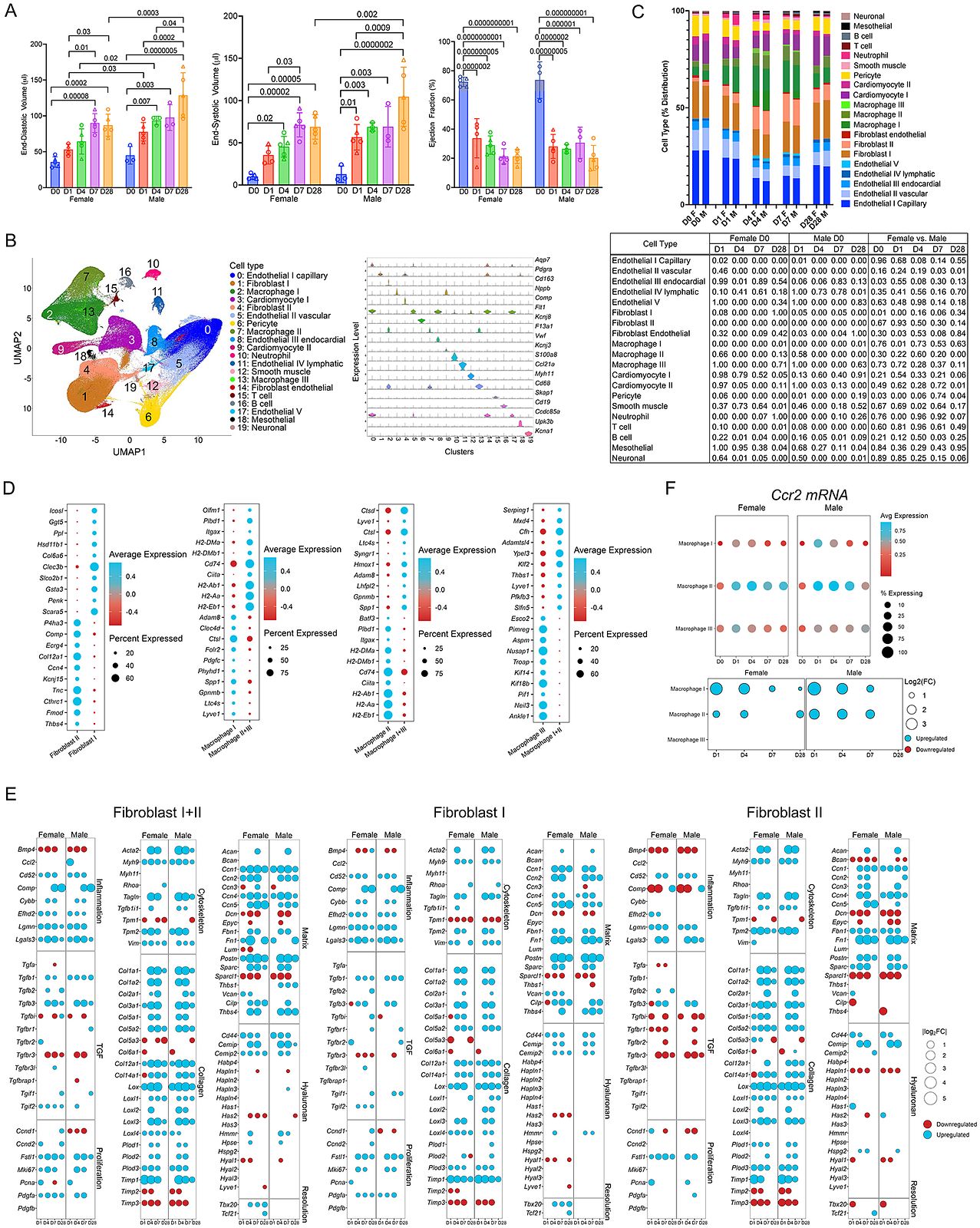
The Jones lab is mapping how hyaluronan is made and degraded as the heart remodels, alongside a Circulation Research atlas from Center faculty charting how cardiac cell populations shift after infarction.
Metabolism & Bioenergetics
The heart runs on fuel. When the fuel mix changes, so does the heart.
The question: how does substrate metabolism shift as the heart remodels, and which shifts are adaptive versus pathological?
Anchors: GIBBHILL Secondaries: Baba, Collins, Hellmann, Jones
Using a preclinical rat model of HFpEF, the Gibb lab identified disrupted mitochondrial function as a driver of the disease, not just a downstream consequence.
Inflammation
Every cardiac injury triggers an immune response. What that response does next determines the outcome.
The question: what governs the transition from acute immune activation to resolution versus chronic, maladaptive inflammation?
The Wysoczynski lab showed that neutrophils occupying the heart after MI are mature cells reprogrammed in place, not immature cells recruited from the bone marrow.
Physiologic Adaptation
The heart adapts to changes in exercise and sleep, and perhaps pregnancy, using some of the same machinery it uses to survive disease.
The question: what separates physiological cardiac growth from the pathological growth that leads to failure?
The Carll lab recently showed that e-cigarette cooling ingredients may be linked to irregular heartbeat and cardiac arrest, coverage the AHA picked up directly.